patio and concrete companies
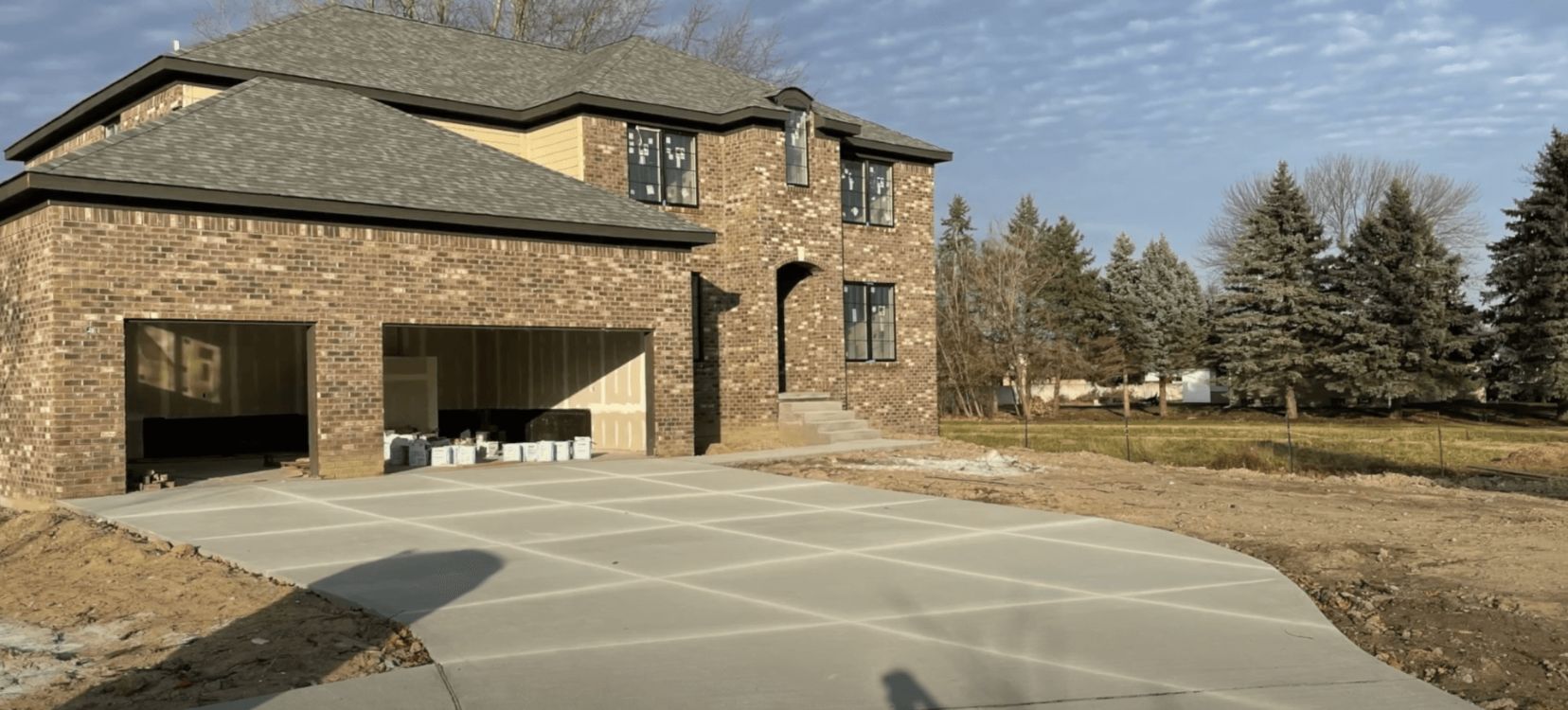
Make sure to protect the concrete by roping the slab off. This will allow it to cure for the industry-recommended time of 28 days. It is generally safe to walk on newly poured concrete slabs after a day or so, and to drive on it within a week. To avoid any possible scuff marks, or gouges it is better to wait for it to fully cure.
It is important to seal the concrete after it has cured with a concrete sealing agent recommended by the concrete maker according to the concrete type, project and climate. Wait about one day after applying the sealant before walking on it. After that, you should wait 2 or 3 days before driving down a freshly sealed driveway.
Concrete can be kept looking beautiful for decades by being cleaned regularly with soapy tap water. Concrete should be sealed every five to five years for protection.
Now that you have learned more about pouring concrete (sometimes misunderstoodly referred as pouring cement), you might still have questions. Below are some common questions that people ask about concrete pouring. If you cannot find the answer below, the manufacturer may be able help.
Concrete can be put directly on dirt. Concrete that is poured directly on dirt can crack in places where it freezes. For concrete's structural integrity, use a gravel subbase to prevent it from cracking.
Materials for concrete slabs are typically $6 per square footage. Additional costs include gravel for concrete slabs, formwork, concrete finishing and other supplies. It will cost around $800 for a 12-inch by 12-inch concrete slab, depending on the location, thickness and supplies needed.
Quikrete's bagged concrete mix manufacturer recommends mixing 80-pound bags of concrete mix with around 3 quarts (pour 2 quarts in the mix to begin, then add the rest slowly as needed). The concrete mix type, the climate, as well as the site conditions, will determine the amount of water required to mix concrete.